
About Surat Town

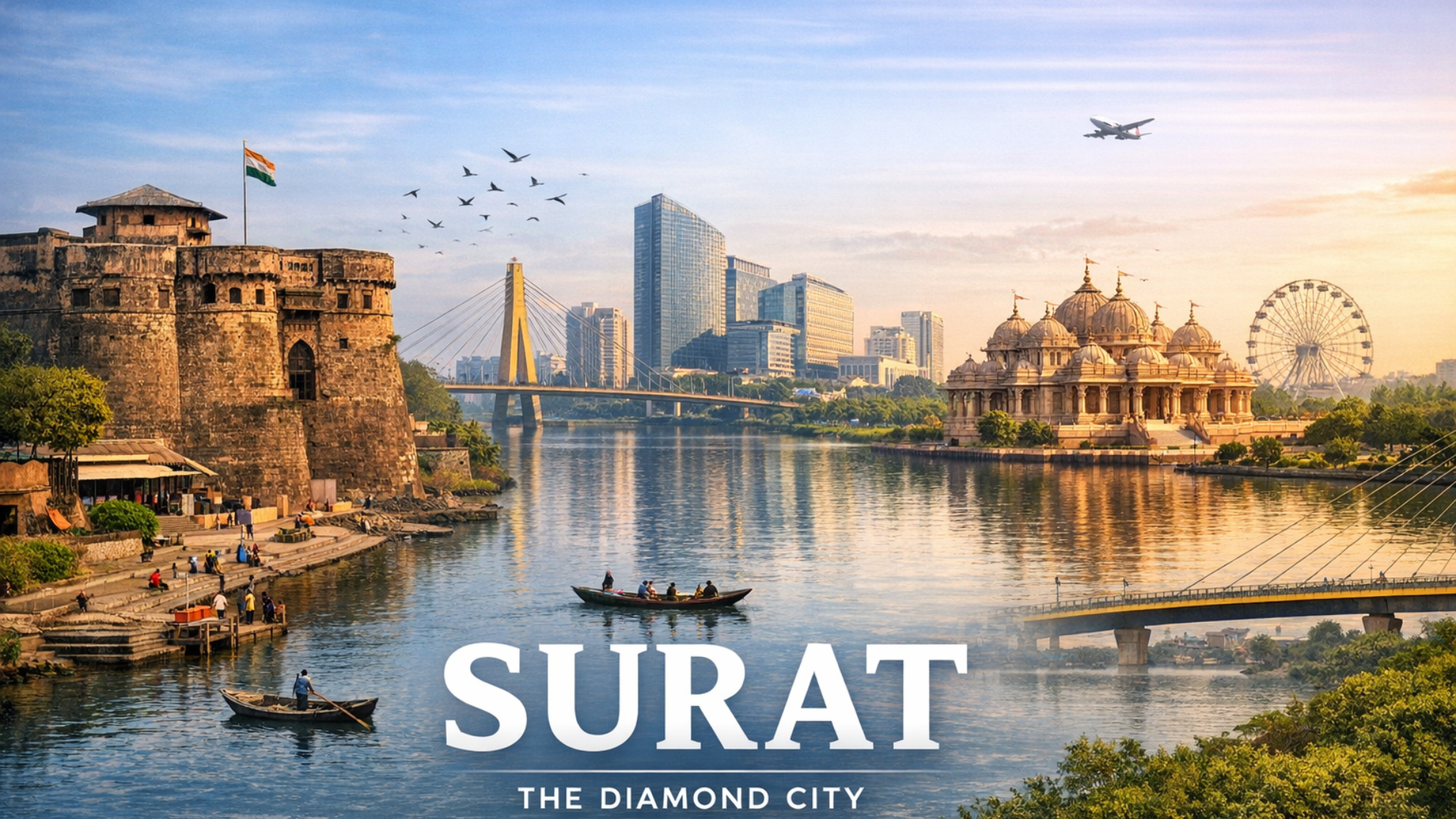
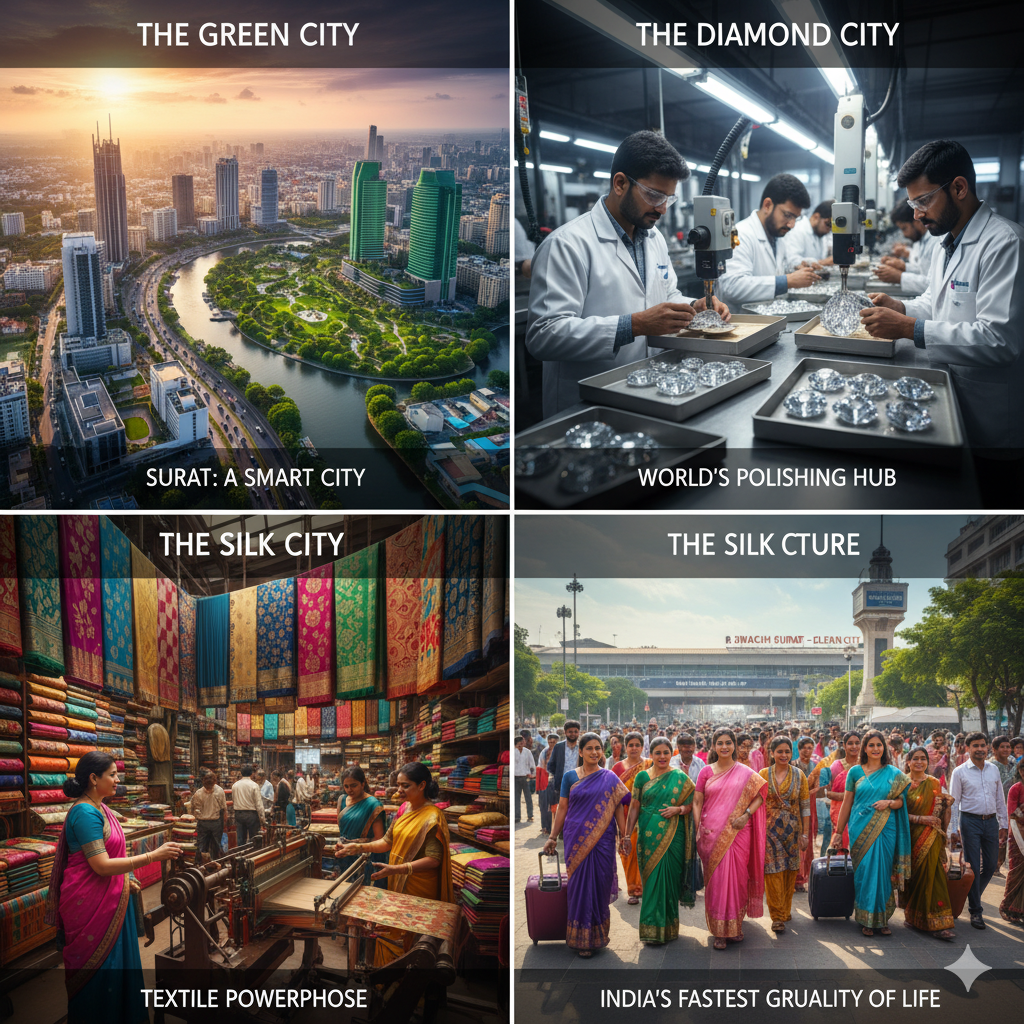
Surat City is a historic yet progressive urban center located in the western Indian state of Gujarat, widely known for its entrepreneurial spirit, cultural diversity, and remarkable economic growth. Often referred to as the “Diamond City” and the “Silk City of India,” Surat is celebrated for its globally renowned diamond cutting and polishing industry, thriving textile sector, and strong mercantile traditions that have shaped the city for centuries.
The city is situated along the banks of the Tapi River, close to the Arabian Sea, which has historically contributed to its role as an important port and trading hub. Surat’s cultural fabric is enriched by a harmonious blend of traditions, festivals, and communities, reflecting a legacy of trade and migration. The city is home to notable religious and cultural landmarks such as the Surat Castle, Ambika Niketan Temple, ISKCON Temple, and various historic mosques and temples that highlight its spiritual and architectural heritage.
In modern times, Surat has emerged as one of India’s fastest-growing cities, known for its advanced infrastructure, smart city initiatives, and exceptional standards of cleanliness and urban management.
History
The city of Surat has glorious history that dates back to 300 BC. The origin of the city can be traced to the old Hindu town of Suryapur during 1500 – 1520 A.D., which was later colonised by the Brigus or the King from Sauvira on the banks of River Tapi. In 1759, The British rulers took its control from the Mughals till the beginning of the 20th century. The city is located on the River Tapi and has about 6 km long coastal belt along the Arabian Sea. Due to these reasons, the city emerged as an important trade centre and enjoyed prosperity through sea trade in the 16th, 17th and 18th centuries. Surat became the most important trade link between India and many other countries and was at the height of prosperity till the rise of Bombay port in the 17th and 18th centuries. Surat was also a flourishing centre for ship building activities. The whole coast of Tapi from Athwalines to Dumas was specially meant for ship builders who were usually Rassis. After the rise of the port at Bombay, Surat faced a severe blow and its ship building industry also declined. During the post-independence period, Surat has experienced considerable growth in industrial activities (especially textiles) along with trading activities. Concentration of these activities combined with residential developments has resulted in considerable expansion of the city limits.
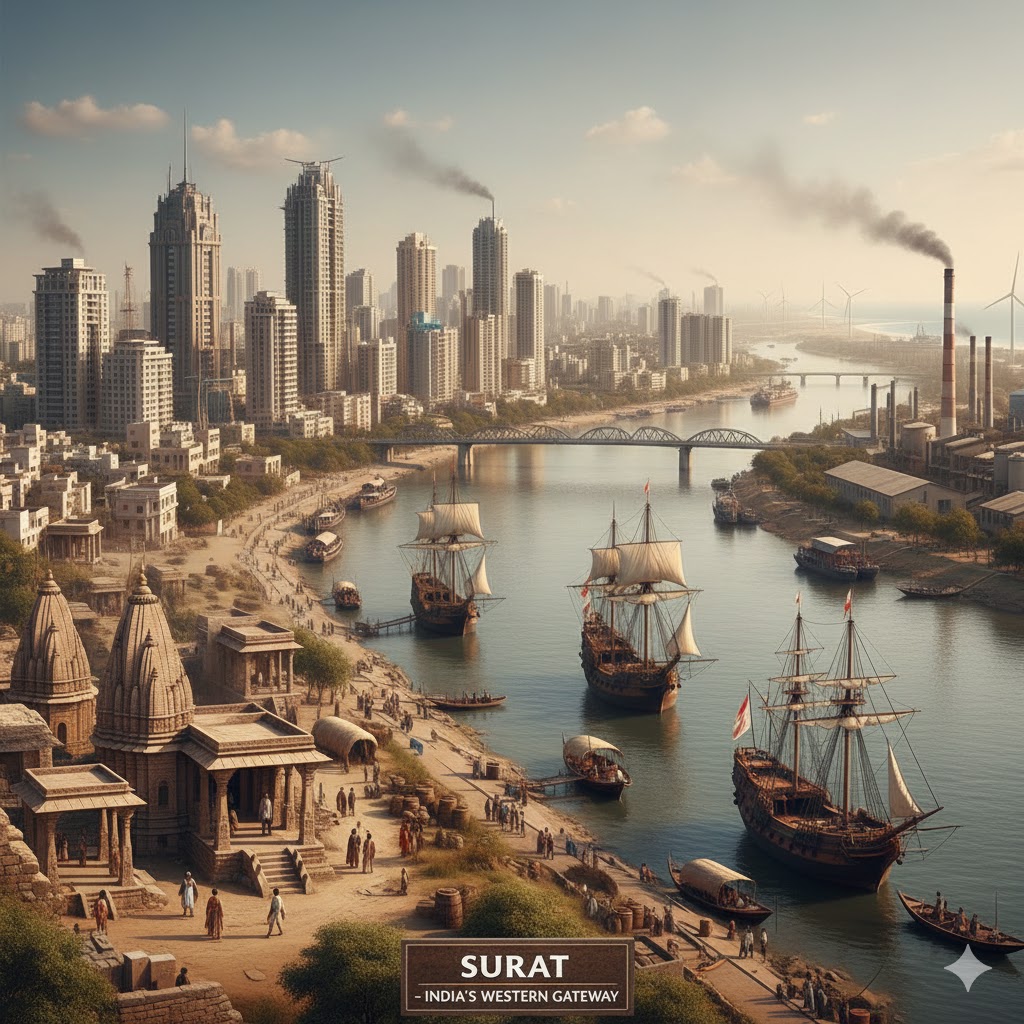
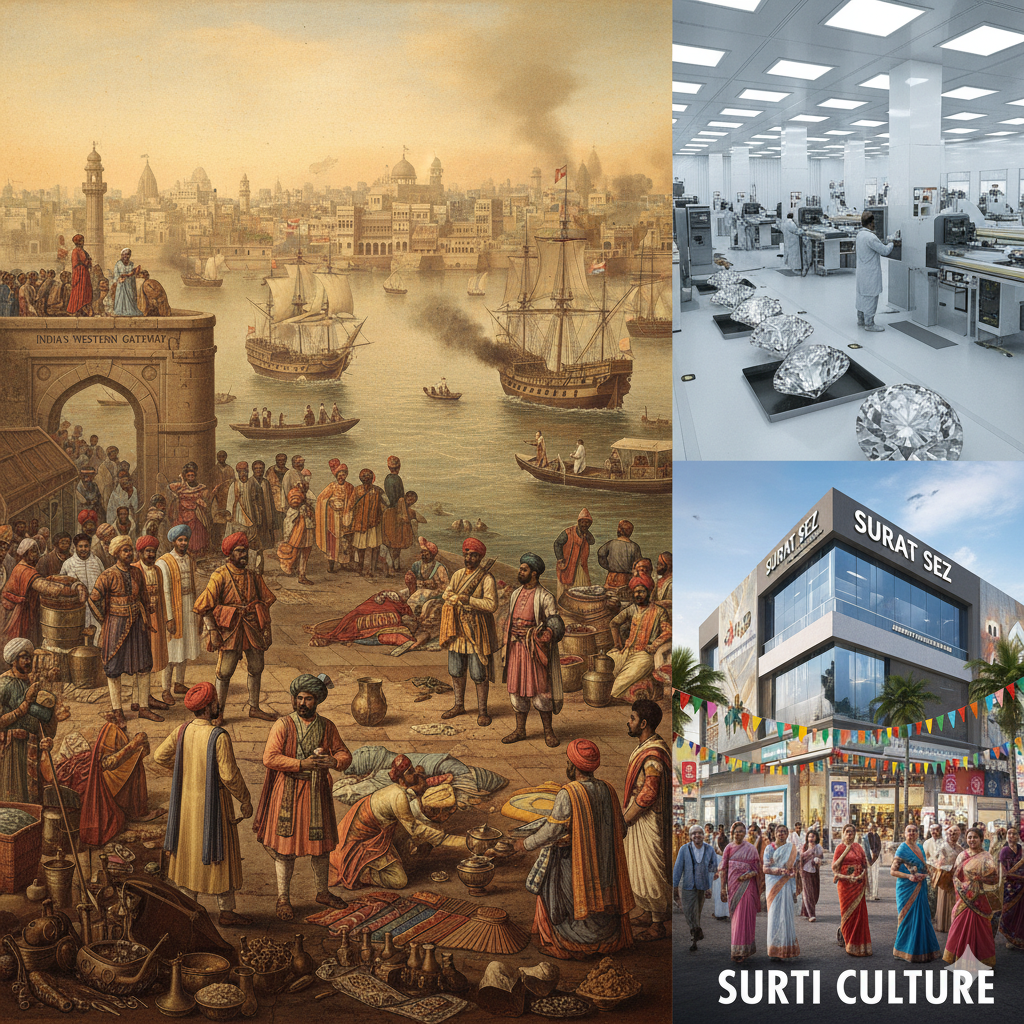
Surat reached the highest point of prosperity during the sixteenth century. The Surat Port was considered important by the European traders. The British and the Portuguese waged battles against each other to gain supreme control over the trading route. The French and the Dutch also arrived in the city with merchandising objectives. The place is also known as India’s western gateway because of its strategic position. People of many races from various places have come to Surat from the ancient times, because of which, the city has witnessed a blend of many traditions and cultures.
The art and culture of Surat is much diversified and the people here are generally of soft nature. The pleasure loving people of Surat have a very stylish and spirited outlook. The language that is mostly spoken in the Surat City is Surti Gujrati language.Many people refer to the unique culture of Surat as the “Surti Culture”. Surti culture though distinct in its flavor still retains the main essence of the Indian culture. Most residents here are Hindus, though other minority communities like Muslims and Christians are also its residents. Most of the major Hindu festivals are celebrated here but especially the festivals of Navaratri and Diwali along with Makar Sankranti are celebrated with great enthusiasm.
Surat at a Glance
Surat is a prominent city located in the western part of India in the state of Gujarat, and it stands out as one of the most dynamic and rapidly developing urban centers in the country. Over the years, Surat has witnessed exceptional growth driven largely by continuous migration from various regions of Gujarat as well as other Indian states. This steady influx of people has contributed to the city’s expanding population, diverse culture, and strong workforce, making Surat a true melting pot of communities and traditions.
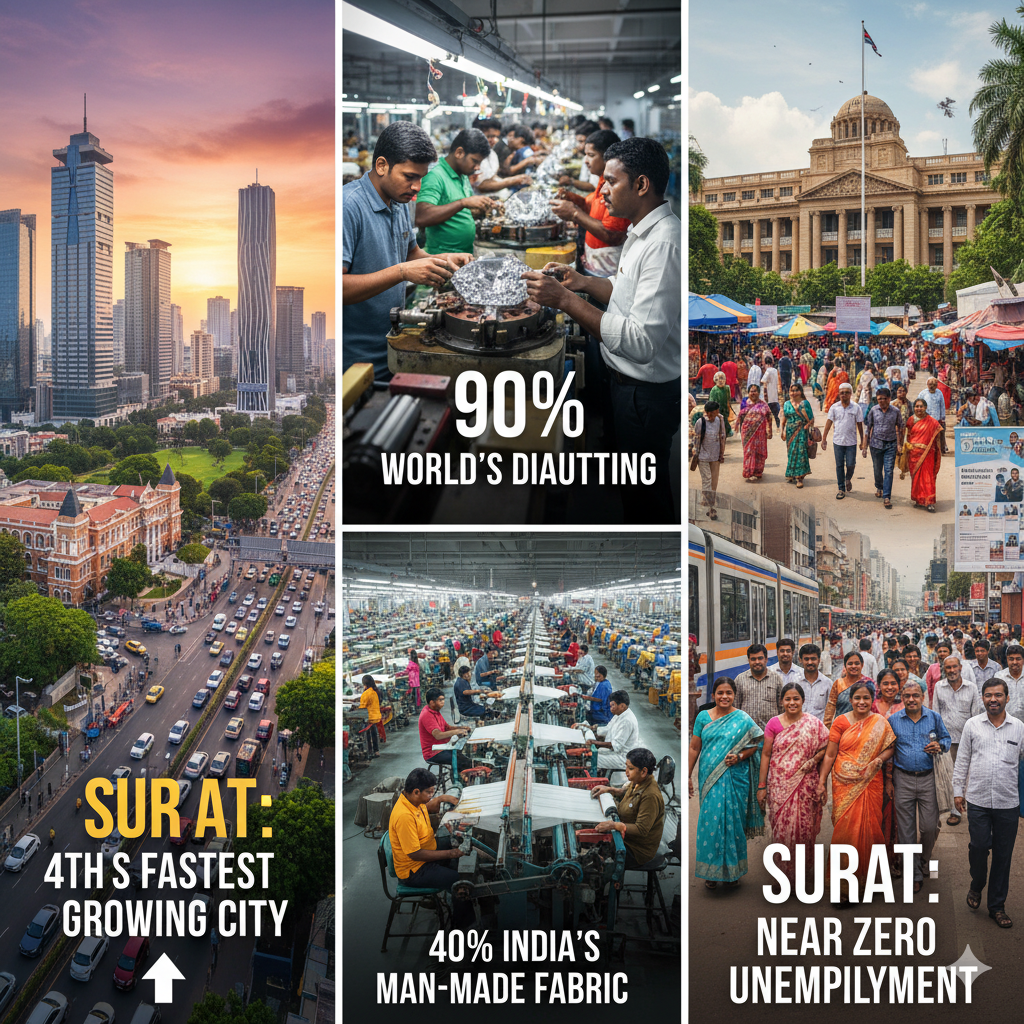
Today, Surat ranks as the 8th largest city in India in terms of population and holds the distinction of being the largest non-capital city in the country. According to reports referenced by the city administration, Surat has also been recognized as the 4th fastest growing city in the world, highlighting its remarkable pace of urban and economic development. The city’s growth is supported by a vibrant and resilient economy that continues to attract investors, entrepreneurs, and skilled professionals.
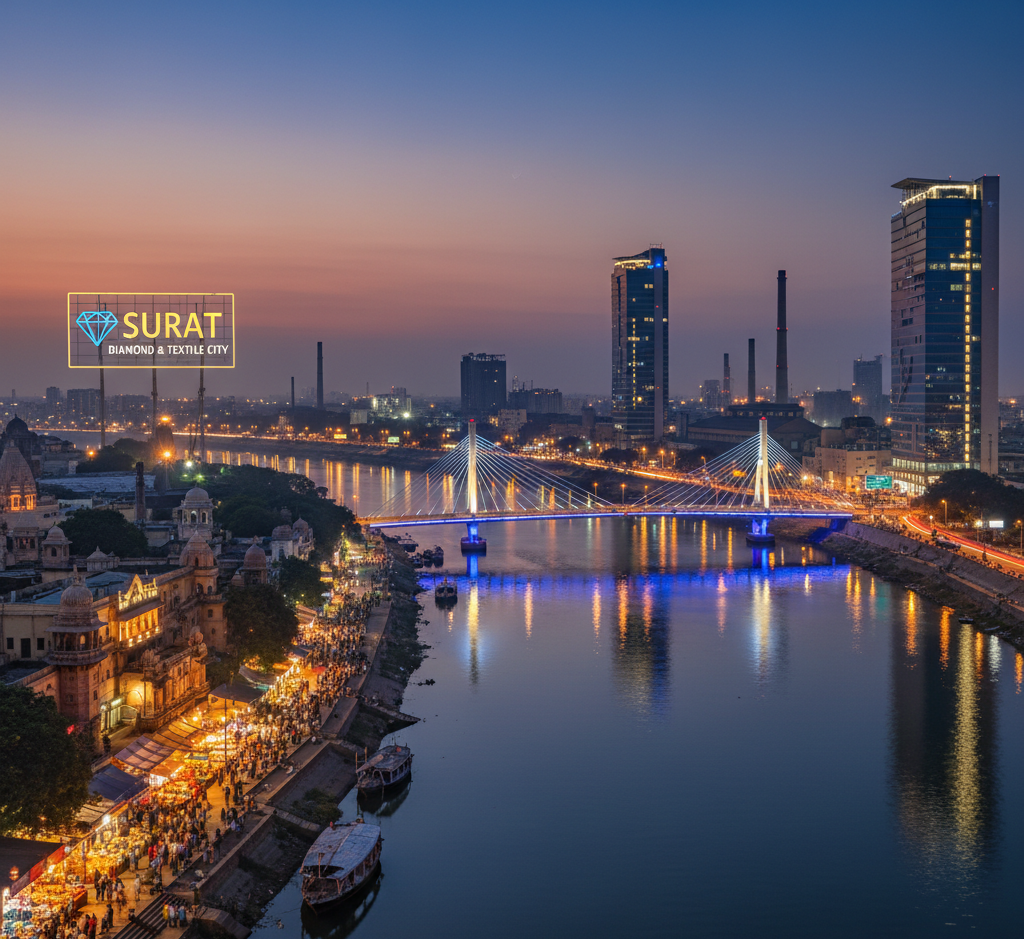
Surat is globally renowned as a powerhouse of the diamond and textile industries. An estimated 90% of the world’s rough diamonds are cut and polished in Surat, earning it the title of the Diamond Capital of the World. In addition, the city plays a crucial role in India’s textile sector, contributing nearly 40% of the nation’s man-made fabric production and about 28% of the country’s man-made fiber output. Thousands of small and large textile units, along with diamond processing facilities, form the backbone of Surat’s industrial economy and provide employment to millions.
The city has experienced a decadal population growth of over 55–60% for the past four decades, reflecting its sustained expansion and economic attractiveness. Alongside rapid growth.
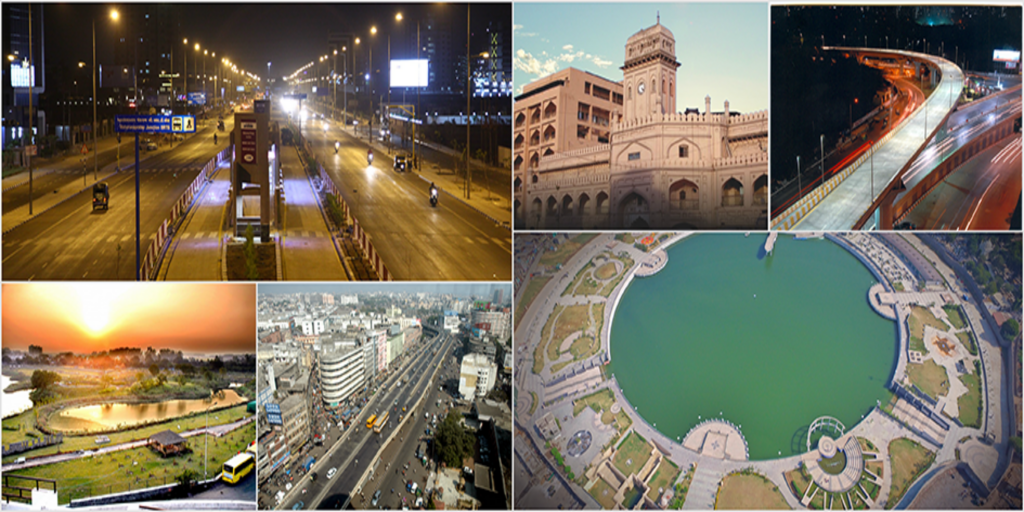
Surat also possesses a rich and diverse historical legacy. It was the first city in India where the British established their presence, followed by the Dutch and the Portuguese, who set up major trading centers here. Remnants of these colonial influences can still be seen in parts of the modern city, standing as reminders of Surat’s historic importance. In earlier centuries, Surat functioned as a magnificent international port, with ships from more than 84 countries anchoring at its harbor, making it one of the world’s busiest trading ports of its time.
Surat is not just a city — it’s a story of transformation. Known widely by names such as “The Diamond City”, “The Silk City”, and “The Green City”, Surat is one of India’s cleanest and most livable cities, attracting migrants from across Gujarat and neighbouring states due to its growth, opportunities and quality of life.
Location: Western India, State of Gujarat
River: Tapi
Proximity: Close to Arabian Sea
Population: Millions (growing rapidly)
Special Status: A Smart City selected under Government of India’s Smart Cities Mission
Geography and Climate
Geography of Surat
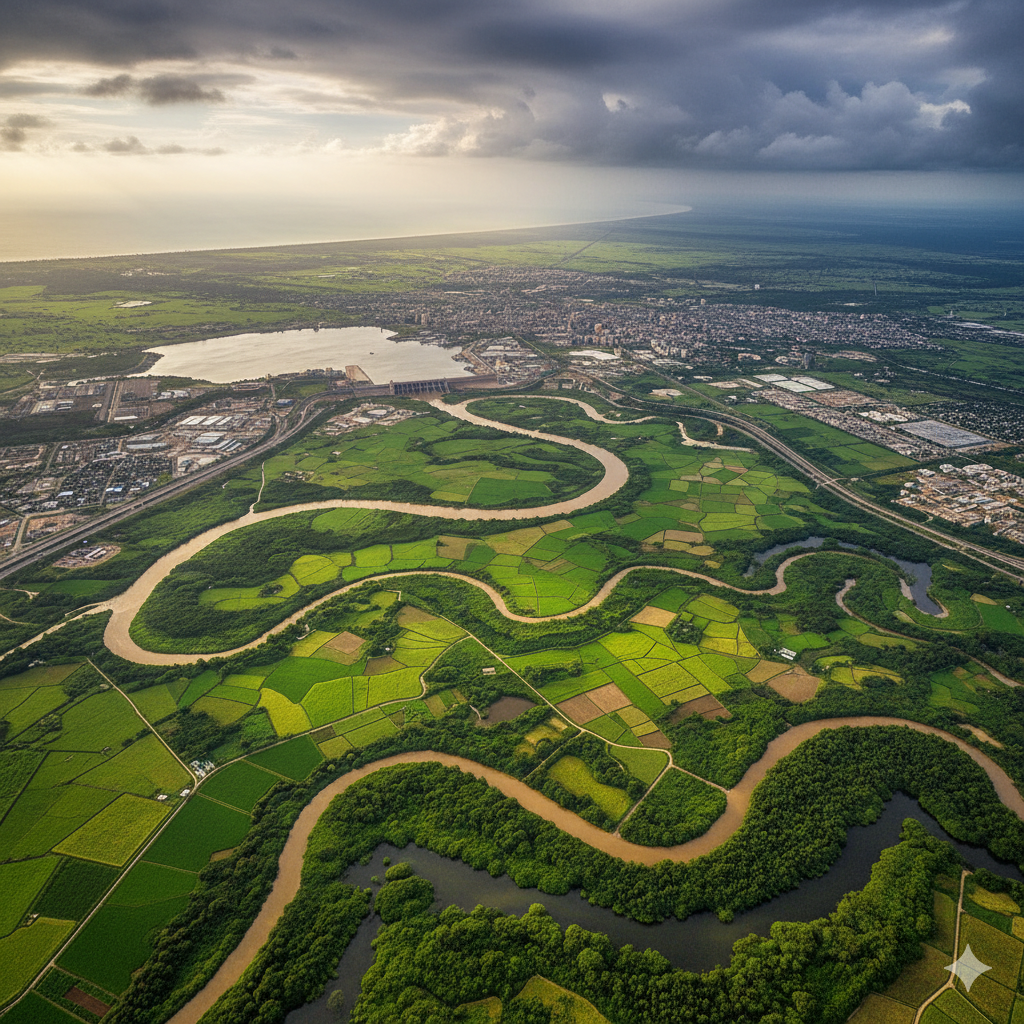
Surat is located in the southern part of Gujarat along the western coast of India and is strategically positioned on the fertile banks of the Tapi River, which plays a vital role in shaping the city’s geography, settlement patterns, and economic activities. The terrain of Surat is largely flat and low-lying, gradually sloping toward the Arabian Sea, making it well suited for urban expansion, industrial development, and transportation networks.
The surrounding region is characterized by alluvial plains formed by the Tapi River, which support agriculture in nearby rural areas, including the cultivation of crops such as sugarcane, paddy, vegetables, and fruits. The presence of canals and irrigation systems connected to the Ukai Dam ensures a steady water supply for both agricultural and urban needs. Coastal areas near Surat feature sandy stretches and creeks, while mangroves can be found in certain pockets, contributing to the region’s ecological diversity.
Low elevations and the absence of major hill ranges define Surat’s topography, although gentle variations in land level are visible toward the outskirts and neighboring districts. The city experiences a tropical climate influenced by the Arabian Sea, with humid conditions and seasonal monsoons that significantly impact the river flow and surrounding landscape. This combination of riverine plains, coastal proximity, and fertile land has played a key role in Surat’s emergence as a major center for trade, industry, and urban growth in western India.
Climate of Surat
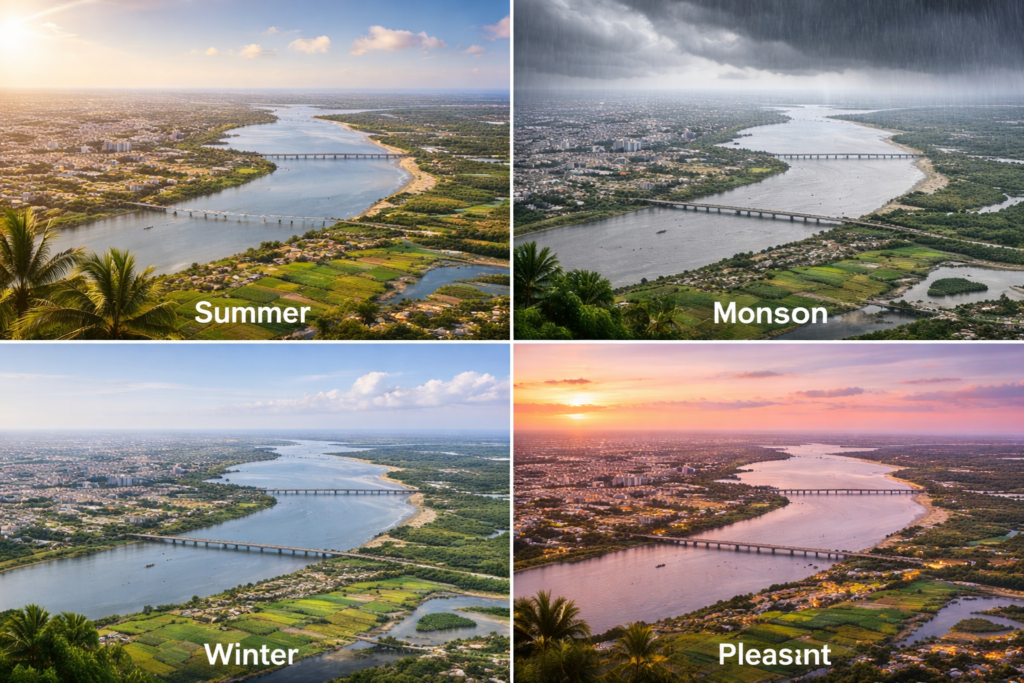
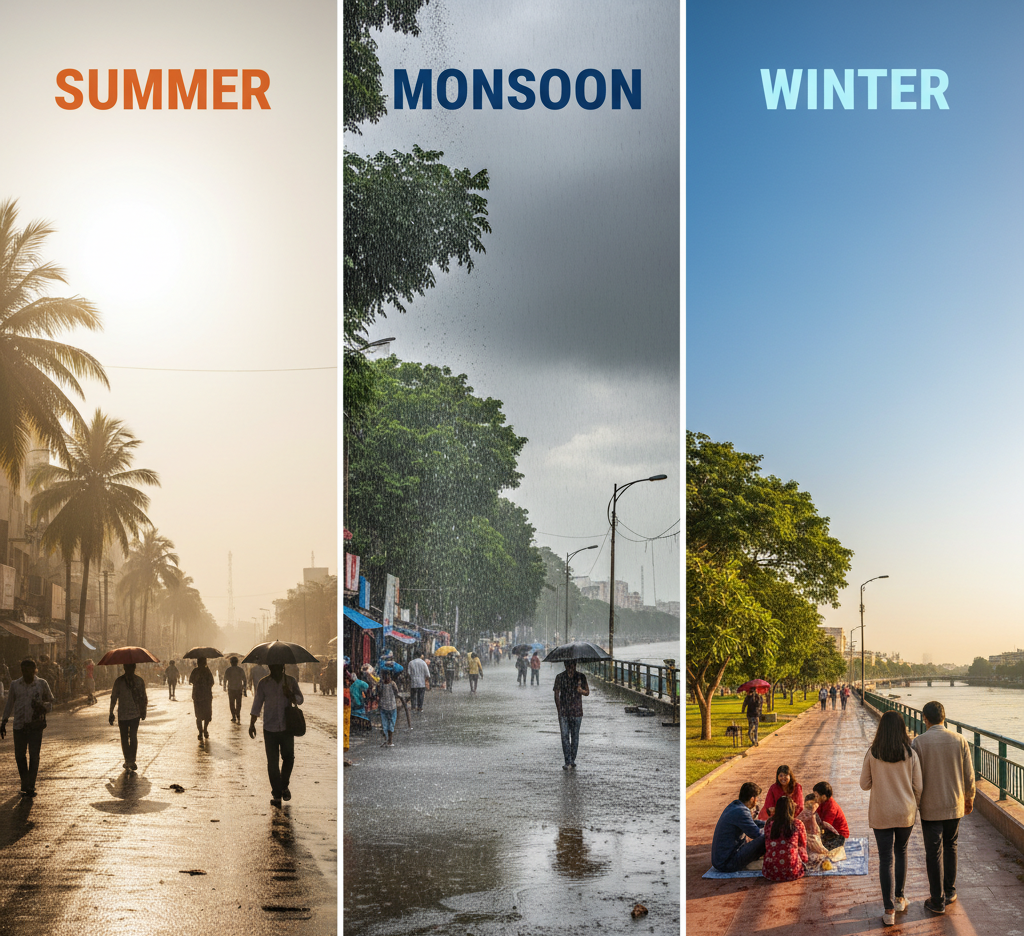
Surat experiences a tropical savanna climate influenced by its coastal location near the Arabian Sea, characterized by hot summers, a strong monsoon season, and mild winters. Summers, from March to May, are generally hot and humid, with temperatures typically ranging between 32 °C and 40 °C. The proximity to the sea often results in high humidity levels, making the weather feel warmer during peak summer months.
The monsoon season, from June to September, brings substantial rainfall to the city, primarily due to the southwest monsoon. This period plays a crucial role in replenishing the Tapi River and maintaining water levels in reservoirs such as the Ukai Dam, which supports the city’s water supply and surrounding agricultural areas. Heavy showers occasionally lead to waterlogging in low-lying areas, but they also refresh the environment and enhance greenery across the region.
Winters, from November to February, are mild, pleasant, and relatively dry, with temperatures usually ranging between 15 °C and 25 °C. This season is considered the most comfortable time of the year, marked by clear skies, cooler evenings, and lower humidity. The post-monsoon and winter months bring a refreshing climate, making Surat an ideal destination for outdoor activities, festivals, and tourism.
Surat enjoys a pleasant climate for a significant part of the year, especially during the post-monsoon and winter months. After the monsoon season, the city experiences fresh air, clearer skies, and a noticeable drop in humidity, creating a comfortable and refreshing atmosphere. The surroundings turn greener, and the Tapi River flows steadily, adding to the city’s scenic appeal.
From November to February, the weather remains mild and enjoyable, with moderate daytime temperatures and cool evenings. This period is ideal for outdoor activities, sightseeing, cultural events, and festivals, as the climate allows residents and visitors to move around comfortably without extreme heat or heavy rainfall. Early mornings and evenings are particularly pleasant, making the season popular for leisure walks, markets, and social gatherings.
Ways to Reach Surat City
Surat is well-connected to major cities across India through air, rail, and road networks, making travel convenient and accessible.
✈️ By Air:
Surat International Airport offers regular domestic flights to cities like Delhi, Mumbai, Bengaluru, and Hyderabad, along with limited international connectivity. The airport is located close to the city center, ensuring easy access.
🚆 By Rail:
Surat Railway Station is one of the busiest stations on the Western Railway line. It connects Surat to major cities including Mumbai, Ahmedabad, Delhi, Jaipur, and Kolkata through frequent express and superfast trains.
🛣️ By Road:
Surat is well-connected via National Highway 48 (Delhi–Mumbai corridor). Regular state transport buses, private buses, and taxis operate between Surat and nearby cities such as Ahmedabad, Vadodara, Mumbai, and Navsari.
Major Crops that grow across Surat
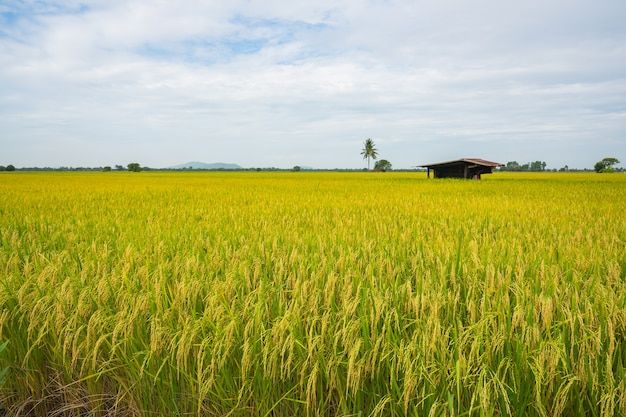
Paddy
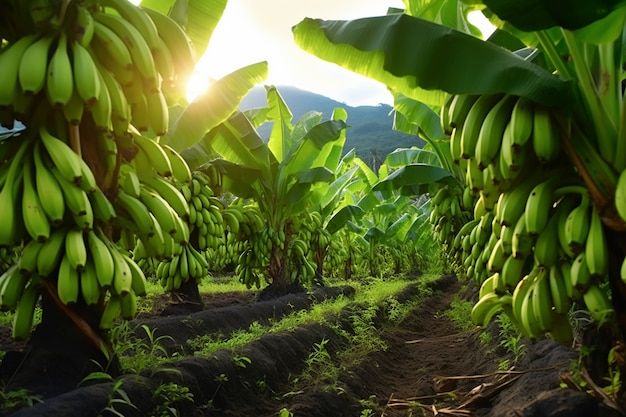
Banana
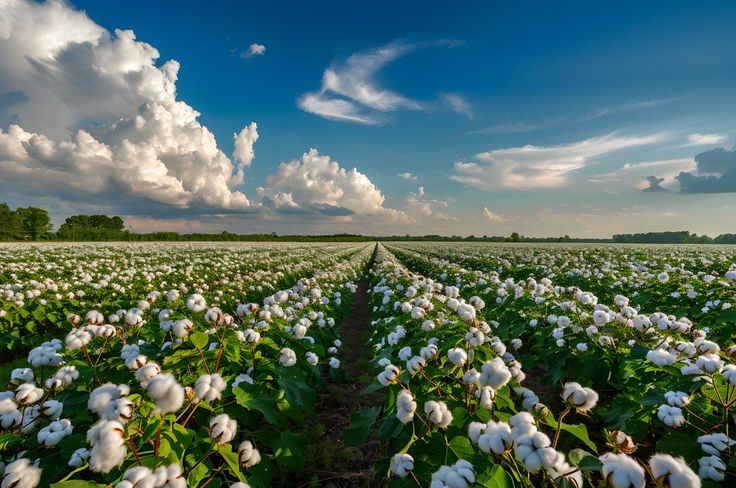
Cotton
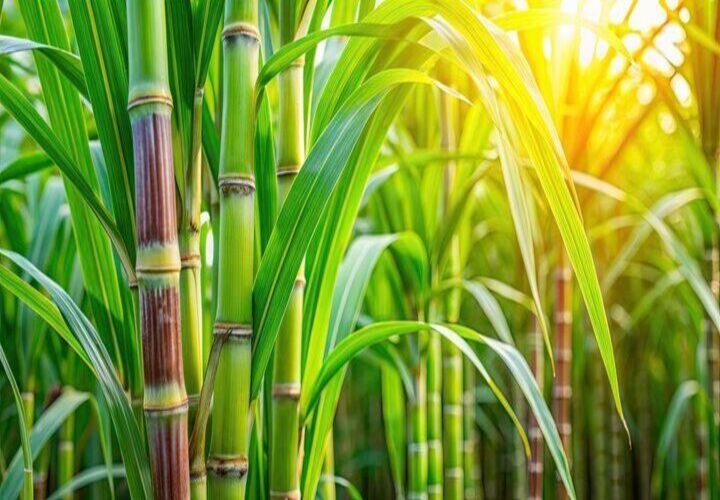
Sugarcane
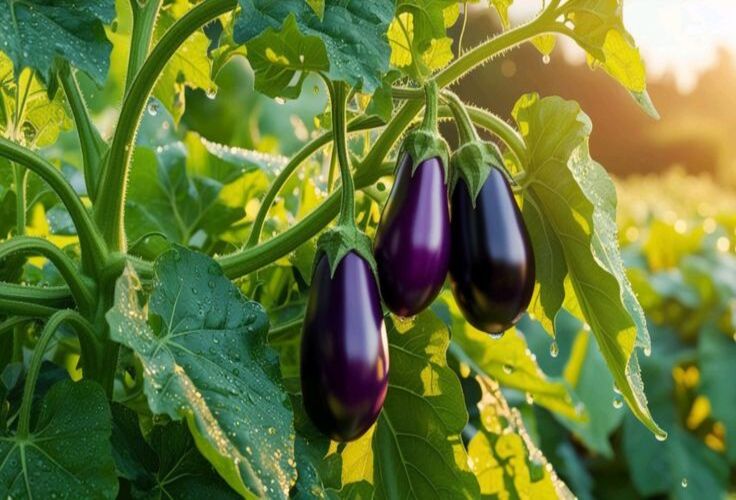
Brinjal
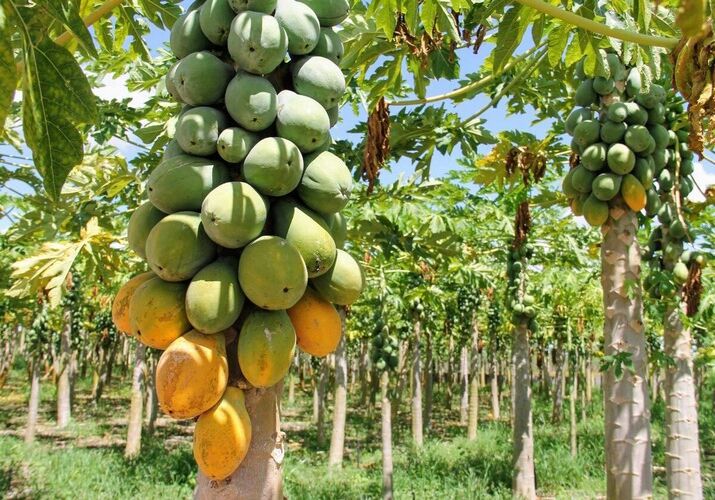
Papaya
Growth, Culture & Commerce of Surat
Surat stands as one of India’s most progressive urban centers, known for its economic strength, cultural diversity, and high quality of life.